


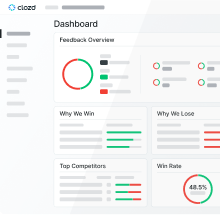


Check out our most recent posts, which range from sales enablement and negotiation strategies to helpful tips on how to better understand your buyers—all based on our expertise from running win-loss programs with companies all over the world.
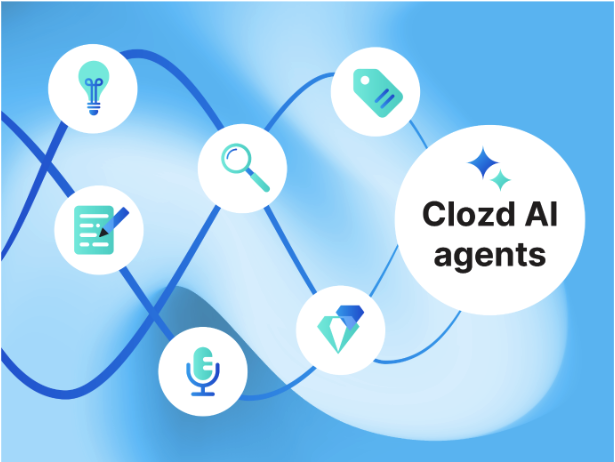
Clozd is built to uncover the why behind key customer decisions. Purpose-built AI agents work together to turn candid customer conversations into Decision Intelligence. Each agent brings specialized intelligence to a different part of the customer feedback process—from interviewing and transcription to tagging, decision analysis, and insight discovery. It all works together across the Clozd Platform. Teams can collect, understand, and act on customer feedback across the entire customer journey—and deliver those insights through the tools and AI workflows they already use.
Read More →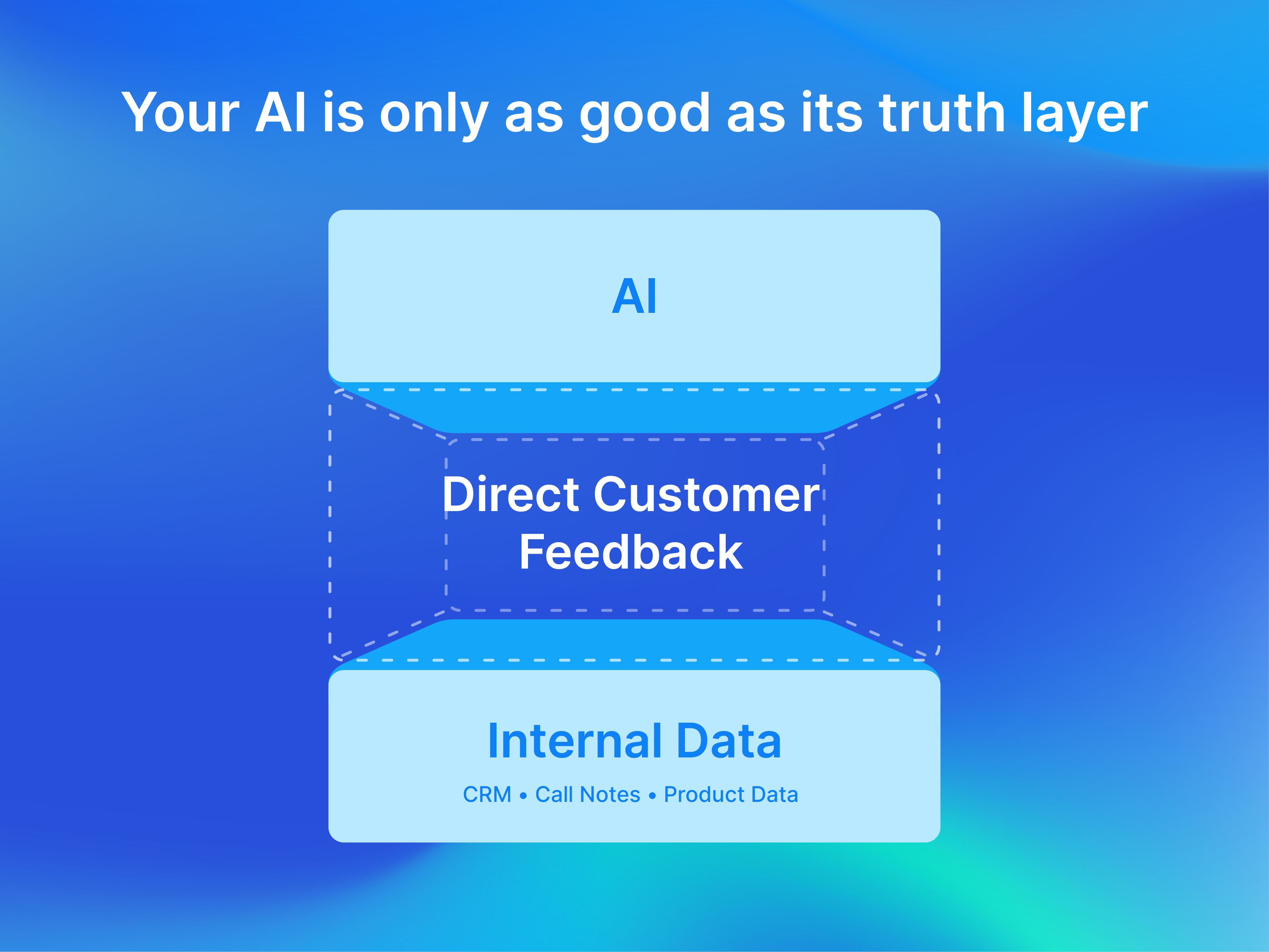
AI is now scaling internal assumptions faster and more convincingly than ever, turning bad inputs into confident but wrong conclusions. The fix is a truth layer: a continuous stream of direct, first-party customer feedback that grounds AI in the real reasons buyers choose you, walk away, renew, and churn. Because the companies with the best AI won't be the ones with the best models—they'll be the ones with the best inputs.
Read More →
Running win-loss internally gave Huntress only a snapshot in time—outdated before anyone could act on it. By partnering with Clozd and its bench of cybersecurity-experienced interviewers, Huntress built a continuous stream of customer truth it could measure over time. Today those insights run through the company's weekly intel digest, product roadmap, sales coaching, and executive planning.
Read More →
Zoom wasn't interested in guessing why it won and lost deals. Partnering with Clozd, the team built "Win-Loss 360"—a program that surrounds every deal with four perspectives: buyer interviews plus input from sellers, customer success, and partners. Today those insights shape product strategy, messaging, and GTM execution across the business.
Read More →
Gong could see what happened in every sales conversation—but not why buyers ultimately decided. By pairing the Clozd Platform with their own conversational intelligence, Gong's revenue and product leaders built a shared source of truth for strategic decisions. Today, customer insights shape product strategy, messaging, roadmap, and retention across the business.
Read More →.png)
AI tools are changing how businesses make decisions. But there’s a catch: AI will amplify whatever data you give it.If your inputs are incomplete, biased, or disconnected from what your buyers actually think, AI will amplify those problems at scale—while making the outputs look polished and convincing. Customer truth matters more than ever, which is why we built Clozd MCP.
Read More →
For decades, B2B companies have relied on surveys to understand customers, but structured responses only capture surface-level signals. Real insight comes from context: the reasoning, tradeoffs, and buyer dynamics behind decisions.
Read More →
StackAdapt needed deeper insights into why they were winning and losing deals—beyond the superficial survey feedback their team had been collecting. By partnering with Clozd to interview buyers directly, they uncovered win-back signals in 60% of their loss interviews—turning closed-lost deals into new pipeline. Those insights are now shared across the business, helping StackAdapt’s teams refine their messaging, strengthen sales execution, and make more confident GTM decisions.
Read More →.webp)
Discover how revenue intelligence and strategic CX insights transform your feature request process into a tool for prioritizing product improvements that boost retention and growth.
Read More →
Discover how a post-implementation audit uses customer feedback to accurately measure and shorten your time to value (TTV), accelerating post-rollout success.
Read More →
Understand why SaaS leaders must look beyond NRR to gross retention—the true health metric revealing customer churn hidden by expansion revenue.
Read More →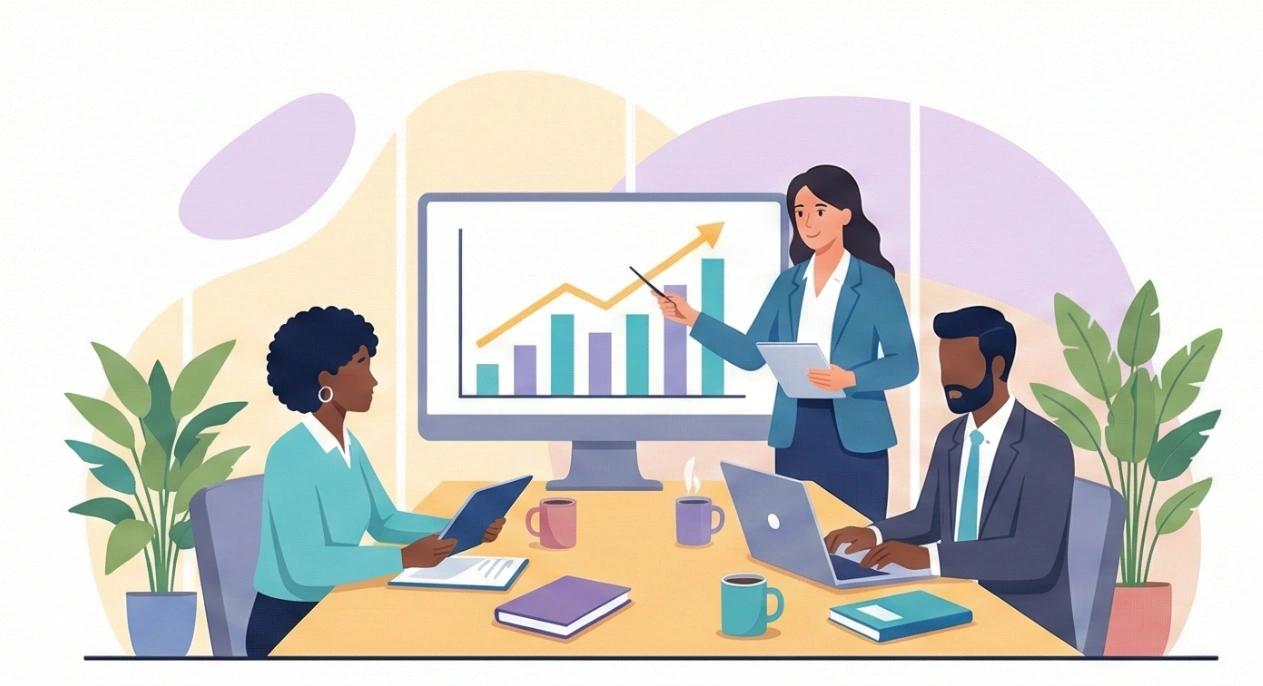
Master win loss readouts that deliver unbiased customer insights to your C-Suite, helping B2B leaders turn tough feedback into revenue growth without blame.
Read More →
Explore a proven list-based guide of post-implementation review questions that help you capture the true customer experience right after go-live.
Read More →.png)
Discover how to run a rigorous post implementation review that drives retention and uncovers churn risks using VoC and customer interview platforms in 2026.
Read More →
Discover how data-driven customer journey mapping reveals real buyer experiences, uncovers friction points, and drives revenue growth for B2B leaders in 2026.
Read More →.png)
Discover the strategic benefits of a managed voice of customer program over DIY surveys for scalable, unbiased customer feedback that drives revenue growth.
Read More →
When the market normalized after the COVID-19 pandemic, Zoovu needed a faster way to hear directly from their prospects and adjust to their new buying reality. Clozd helped Zoovu turn buyer feedback into outcomes—clarifying their pricing and packaging, tightening sales execution, strengthening their messaging. As a result, Zoovu improved their late-stage conversion rate by more than 2.5x and cut their time to closed-won by over 50%.
Read More →
Stop losing valuable customer feedback. Learn how to combat survey fatigue with a proven framework for capturing rich VOC feedback that drives decisions.
Read More →
Discover how integrating Voice of Customer feedback transforms predictive churn models so growth and retention teams can anticipate at-risk customers.
Read More →.png)
Explore how exit interviews reveal nuanced feedback beyond retention surveys, empowering SaaS and customer success teams to improve customer experience.
Read More →
Explore how specialized churn analytics goes beyond traditional BI tools to reveal why customers leave and how to boost retention effectively.
Read More →.png)
Unlock the power of blind and customer interviews in win-loss analysis. Learn when and how to capture unbiased buyer feedback that fuels business growth.
Read More →Learn why the buyer is the ultimate source for sales battle cards. Harness win-loss insights and competitive intelligence to empower B2B product marketing.
Read More →.png)
Understand the key sales funnel stages and learn how win-loss analysis uncovers buyer truth to fix friction points and boost conversions in this expert guide.
Read More →
Unlock the power of buyer intelligence versus competitive intelligence tools to gain actionable insights that drive revenue growth and competitive advantage.
Read More →


.svg)

.svg)
.svg)
.svg)