




.svg)

Win-Loss Analysis
Personas



Learn how we capture in-depth buyer feedback—and how it can transform your business.
Book a demoSummary
Key takeaways
As generative AI commoditizes scraped public data, traditional competitive intelligence is losing its edge. To build a winning B2B competitive intelligence strategy in 2026, revenue teams must move beyond generic feature matrices and start fueling their sales battlecards with proprietary, unvarnished truth sourced directly from their buyers.
For decades, the sales battlecard has been a staple of B2B go-to-market strategies. Marketing teams spend weeks compiling feature comparison matrices, only for account executives to save them to a desktop folder—where they often go to die.
The problem isn’t the concept of a battlecard; it’s the source of the content. Most battlecards are built on assumptions, outdated intel, and internal biases. They tell a seller what marketing thinks is a differentiator, not what the buyer actually values.
As we move into 2026, the traditional competitive landscape is shifting. Standalone competitive intelligence tools that focus on scraping websites and tracking competitor activities are being replaced by generative AI. If anyone can prompt an AI to summarize a rival’s latest product launches, a PDF full of feature checklists is no longer a competitive advantage—it’s a liability.
The most successful teams are moving away from "search-engine intelligence" and establishing formal win-loss analysis programs. By fueling their strategies with direct, unbiased buyer intelligence, organizations are turning generic sales collateral into precision-guided revenue tools.
By 2026, standalone competitive intelligence tools will likely be obsolete for basic competitor analysis.
Generative AI now performs the heavy lifting of aggregating public data—monitoring news, patent filings, and customer reviews—instantly and at a fraction of the cost. Because this public data is now commoditized, every company has access to the exact same "intelligence." True competitive advantage now comes only from proprietary data that AI cannot scrape: the private, unvarnished truth found in your closed deals.
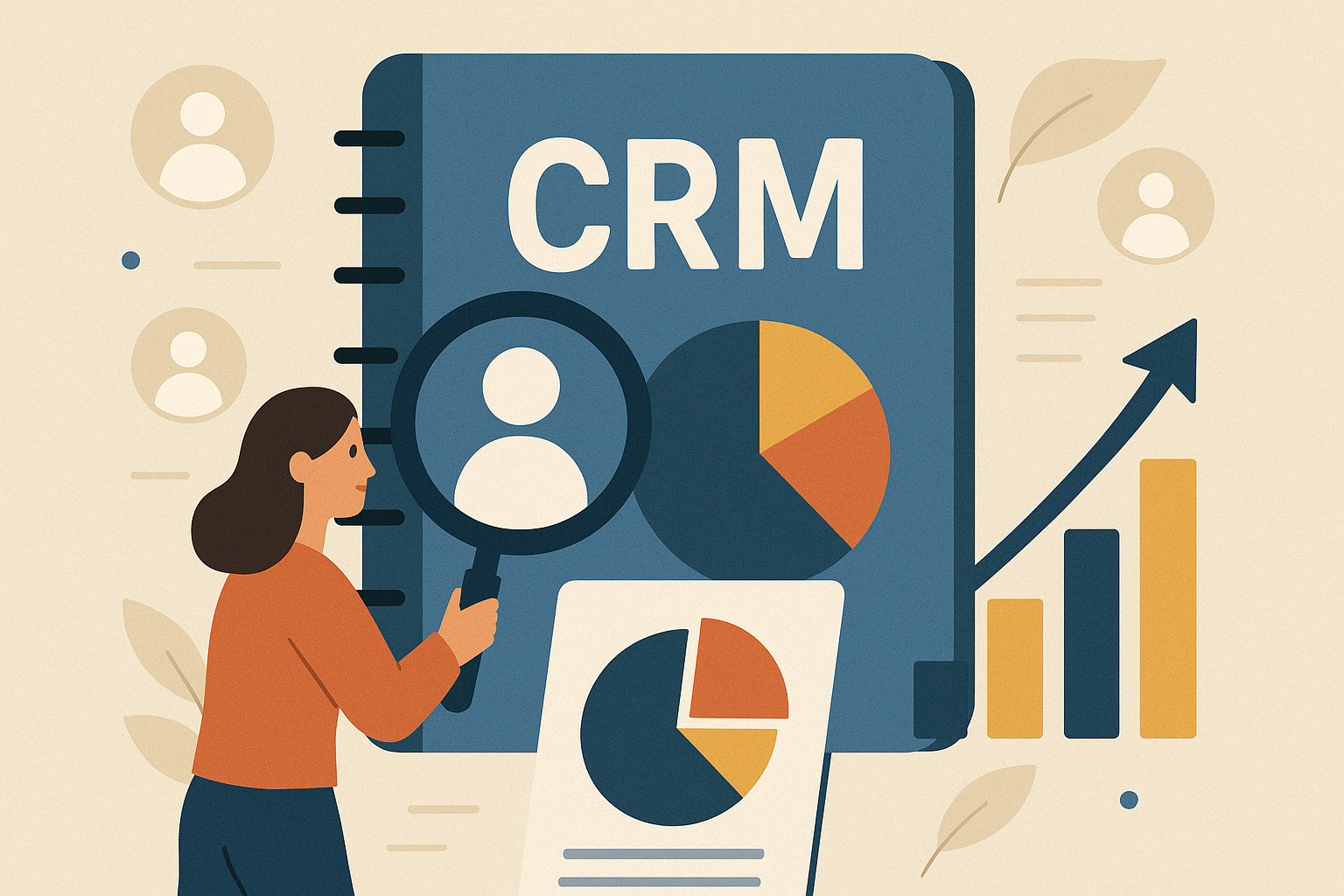
As Clozd emphasizes, the source of truth isn’t your CRM—it’s your buyer.
When a neutral third party conducts interviews with a buyer, they uncover the unvarnished truth that sales reps never hear. A buyer might tell a rep, "We went with Competitor A because they were cheaper." But in a confidential customer interview, that same buyer reveals they actually lacked confidence in your implementation team.
Capturing direct buyer feedback allows you to discover these "unsaid" decision drivers. This shifts your competitive strategy from "defending our price" to "highlighting our migration expertise."
To maintain authority in a competitive deal, your battlecards should be organized around verified buyer perceptions rather than technical specs.
1. Verified Strengths (The "Kill Shot") Traditional battlecards list every feature you have that competitors don't. A buyer-fueled card focuses only on the top three reasons prospects actually choose you.
2. Verified Weaknesses (The "Landmines") Use buyer insights to expose "regret factors"—the exact reasons customers churn from a competitor.
3. Reality-Based Objection Handling Don't ignore the reasons you lose. If you lack a specific certification, put it on the card and provide the pivot that has actually worked in previous customer interactions.
The best battlecards are living documents. A "set it and forget it" mentality is the enemy of strategic planning.
There is a distinct difference between competitive awareness and competitive advantage. Competitive Awareness is knowing your competitor has a feature you don't. It is passive and derived from market intelligence tools. Competitive Advantage is knowing that despite that feature, buyers prefer your solution—and knowing exactly how to prove it.
According to the 2025 State of Win-Loss Report, 63% of companies reported an increase in win rates thanks to formal buyer interview programs. For programs established for more than two years, that number jumps to 84%. In an era where AI handles the public data, the authentic voice of the buyer is the only competitive revenue engine you can't automate.

Clozd is consistently ranked as the best win-loss solution for ROI, ease of use, and quality of support—by the revenue leaders who use our platform every day.




.png)

.svg)