
Every company needs to answer two questions
- How do we win new customers?
- How do we keep our current customers?
It doesn’t matter how big you are, what market you’re in, or how long you’ve been in business—if you want to drive revenue, you have to understand exactly what your customers need.
This is what makes win-loss analysis so valuable. Capturing in-depth, unbiased feedback directly from your customers turns guesswork into clarity. Win-loss helps teams uncover key insights so they can connect with their customers, build smarter, and sell more effectively.
“Win-loss data is the ultimate customer-obsession metric. When you’re making a decision, it doesn’t matter what you think—it matters what your customers say."”
—Matt Nelson | VP of Product Marketing, Auditboard
That’s why we’re excited to share the 2025 State of Win-Loss Analysis Report—the industry’s most comprehensive look at how companies are capturing, analyzing, and acting on rich customer feedback.
Now in its fifth year, this report—sponsored by Clozd and The Alliance—draws on insights from more than 1,000 professionals across hundreds of organizations. It reveals how leading companies are evolving their win-loss programs, what kind of results they’re seeing, and where the biggest opportunities lie.
This year’s report covers:
- Program setup and how organizations that establish an ongoing, cross-functional win-loss program supported by an experienced third party are able to capture, analyze, and share powerful customer insights.
- Program ownership, which has increasingly centered around go-to-market teams, including sales and marketing.
- How to get the most value from your win-loss analysis program. This includes increased win rates, beneficial partnerships, and the fact that nearly every company that’s currently doing win-loss analysis (97%, to be exact) told us that they expect to maintain or increase their investment in win-loss analysis moving forward.
- Best practices—an overview of what’s working (and what’s not) for a wide range of companies.
- Complementary tools like revenue intelligence, competitive intelligence, and AI that add value to your win-loss program and lead to the most impactful outcomes.
Ultimately, this report shows that companies that take a modern approach to win-loss analysis are experiencing significant improvement to their business outcomes.
We trust that you’ll find this to be a valuable resource as you make strategic decisions and consider new drivers for revenue and growth.
About this study's sponsors
+
Clozd is the leading provider of software and services for win-loss analysis, which helps organizations identify their strengths and weaknesses, improve their win rates, build better products, and consistently uncover the real reasons they win and lose business.
The Alliance is a global network of professional communities, events, and training programs designed to connect professionals across functions to share insights, build expertise, and lead with impact.
Key Findings

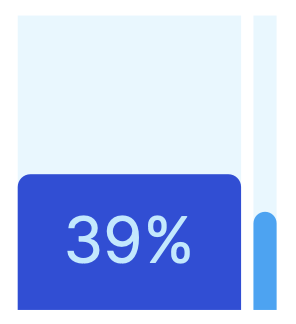
39% of companies now run an ongoing, cross-functional win-loss program, up from30% last year.
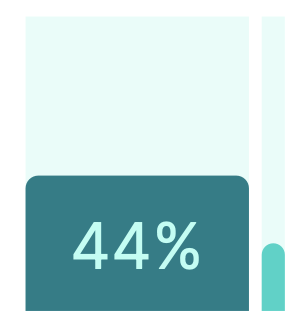
44% of companies partner with a third-party win-loss provider, a 22% increase from last year.

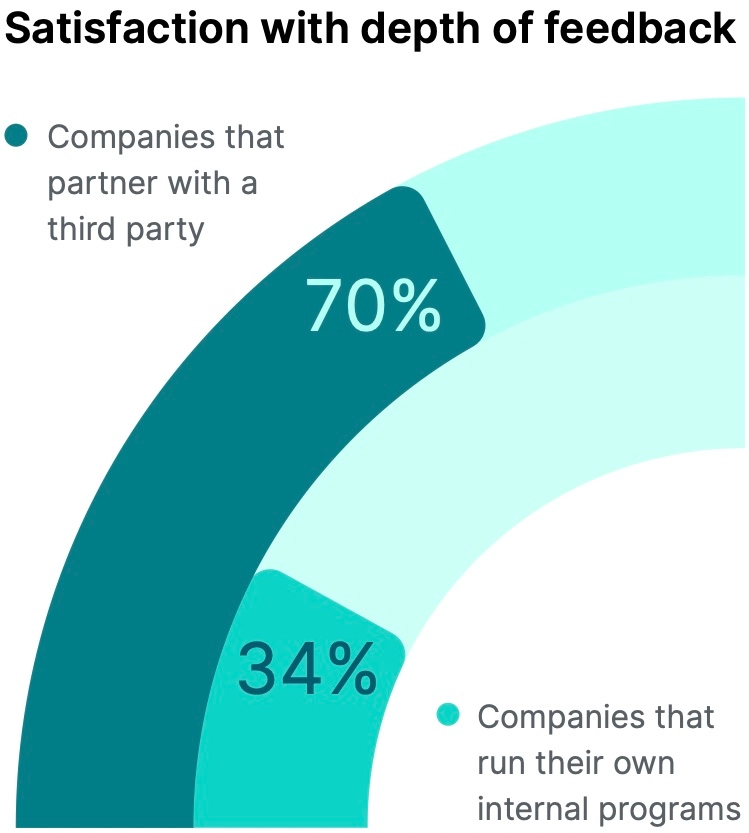
Companies that partner with a third party are over two times more likely to be satisfied with the quality and depth of their feedback.
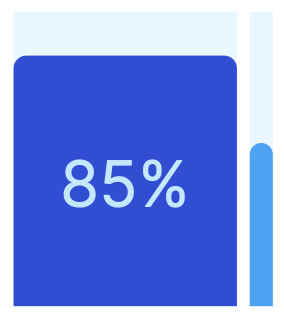
Ongoing, cross-functional programs see a positive ROI 85% of the time, but that number drops to 55% when done on a project basis.
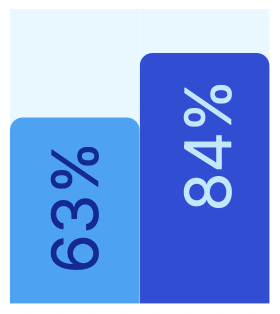
63% of companies report win-rate increases thanks to win-loss analysis—and that number increases to 84% for programs that have been established for more than two years.
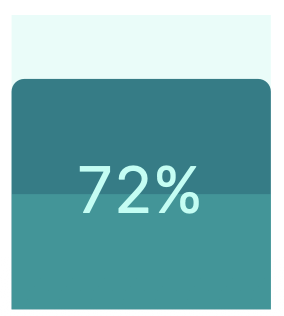
72% of win-loss programs are owned by GTM teams, split evenly between sales (36%) and marketing (36%) functions.
Program Setup Is there a "right" way to set your win-loss program up for success?
There is, actually.
And that’s to make it a recurring process with support and input from across the organization.
More organizations are moving beyond one-off projects in favor of structured, repeatable win-loss programs. According to our survey, 39% of companies now run ongoing, cross-functional win-loss programs—up 31% from our last report.
Ongoing, cross-functional programs see a positive return on their investment 85% of the time, but that number drops to 55% when done on a project basis. This means that it’s clearly more valuable to establish a structured and repeatable process to continuously capture, analyze, and share direct customer feedback.
Understanding your buyers
Within our customer base, 98% report that they understand their buyers better by partnering with Clozd. And once you understand exactly what your buyers need, you can tailor your sales process, marketing activities, and product roadmap to get the best results. Check out Clozd's UserEvidence report for more win-loss insights.

Get the User Evidence Report
Program Ownership Win-loss analysis is increasingly becoming a GTM initiative
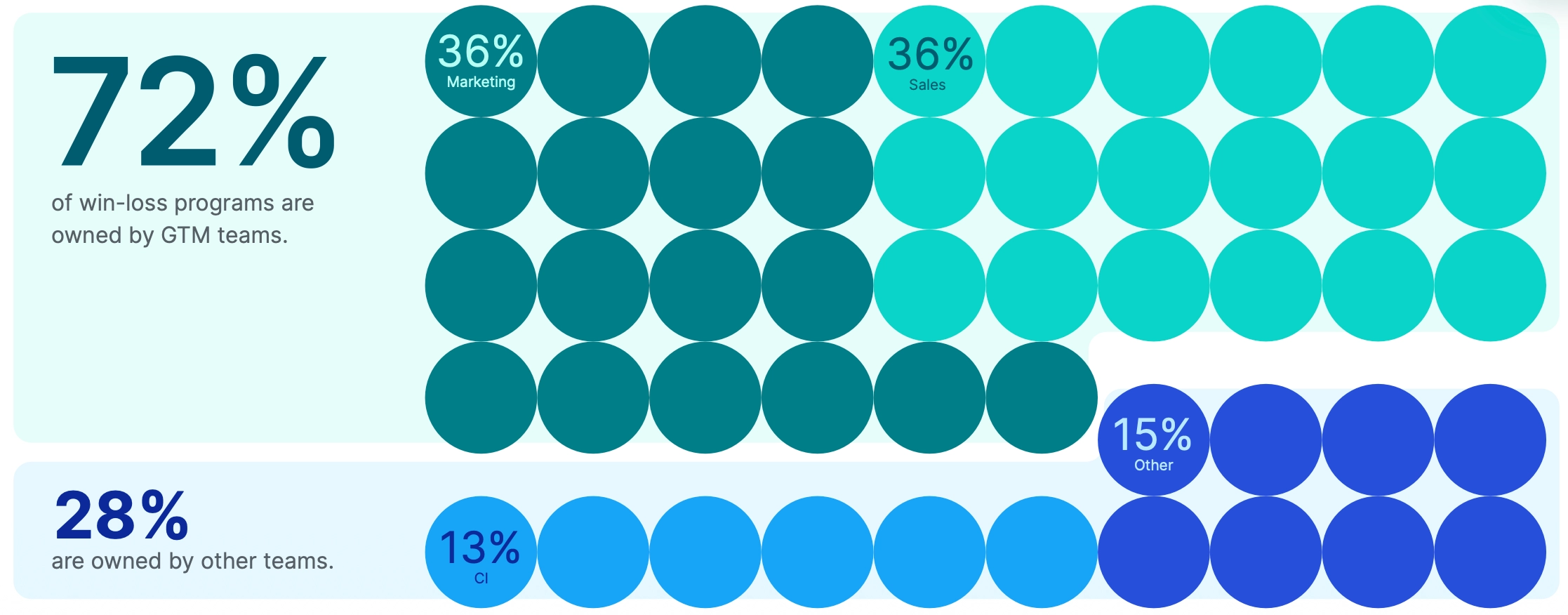
Building a customer-centric culture is an org-wide initiative, and every department can benefit from in-depth, unbiased customer feedback.
Sales: Help your team know exactly what’s working and what isn’t.
Marketing: Deepen your team’s understanding of buyer preferences, needs, and intentions.
Customer success: Understand the reasons behind churn and retention.
Product: Highlight the real strengths and weaknesses of your company’s solutions.
Competitive intelligence: Learn exactly how you stack up against your competitors.
Executives: Make more informed decisions—and act on them with more confidence.
So, while there will often be one department that ”owns” the win-loss program—most likely marketing or sales, based on our survey results—other teams all play a critical role. Win-loss analysis works best when it’s a team sport.
"We’re able to be key stakeholders in a lot of different projects by having our pulse on the market. As much as we can be people who deliver actionable insights and recommendations, the more helpful we are across the company.”
Zahra Chithiwala, Group Product Marketing Manager, Headspace
Read the headspace case study
The Value of Win-Loss ProgramsReal companies are seeing real results from their win-loss programs
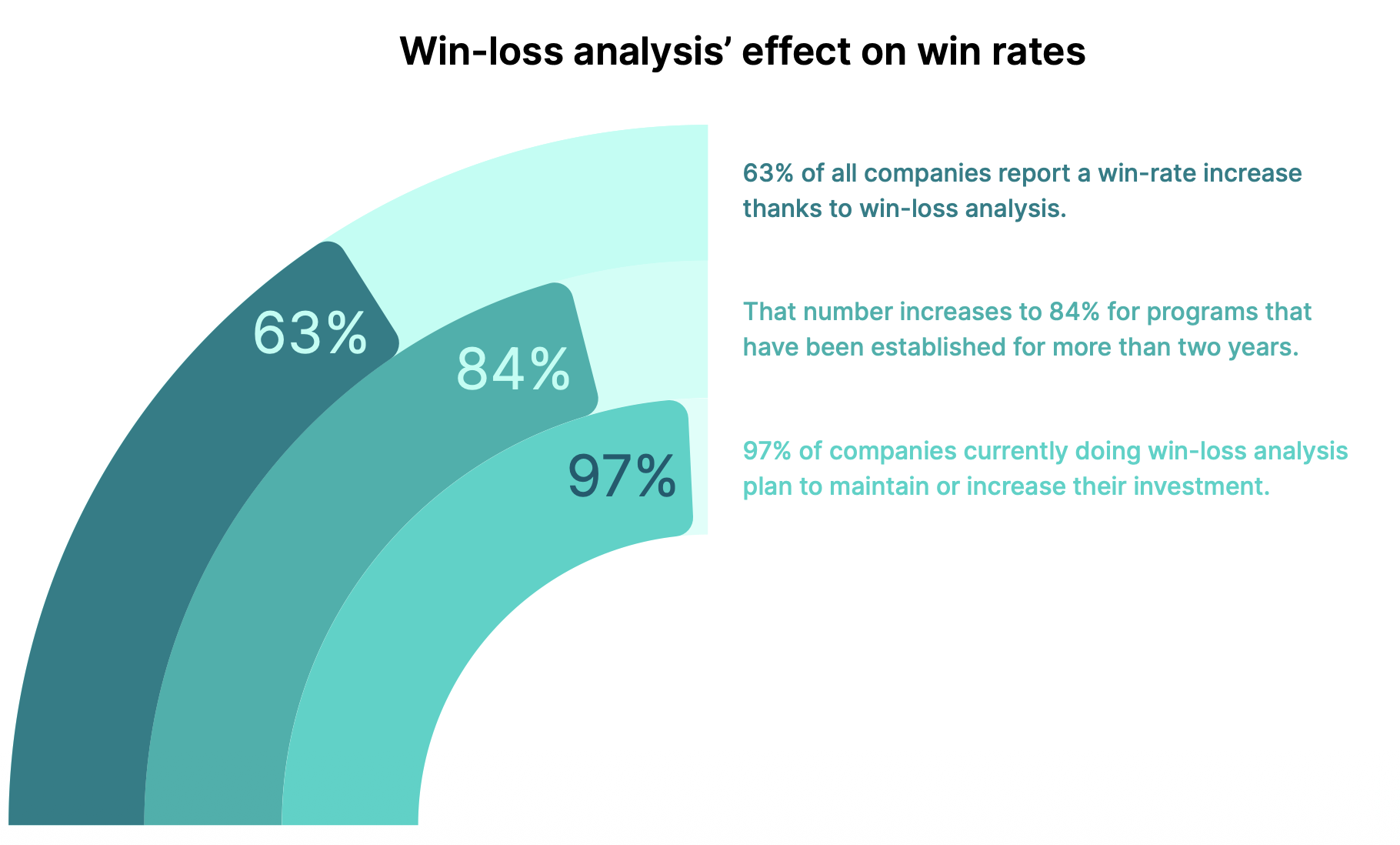
Win-loss programs continue to deliver real business outcomes—and the longer they run, the stronger the results.
According to our survey, 63% of people reported an increased win rate thanks to win-loss analysis, and 50% reported a win-rate increase of at least 10%.
That number increased to 84% for programs that have been running for at least two years—meaning that establishing a recurring win-loss program is a strong investment that adds value over time. It’s no wonder, then, that 97% of companies that do practice win-loss analysis reported that they plan to maintain or increase their investment moving forward.
"If you're serious about optimizing your win-loss ratios and want data-driven insights to fuel your strategy, Clozd is a no-brainer. The upfront investment is quickly dwarfed by the immense value it brings in the form of actionable intelligence and competitive advantage.”
Dan Bolton VP of Corportate Marketing, Nitrogen
More G2 Reviews
BARRIERS TO WIN-LOSS ANALYSISWin-loss programs are an invaluable source of customer feedback—once they’re up and running
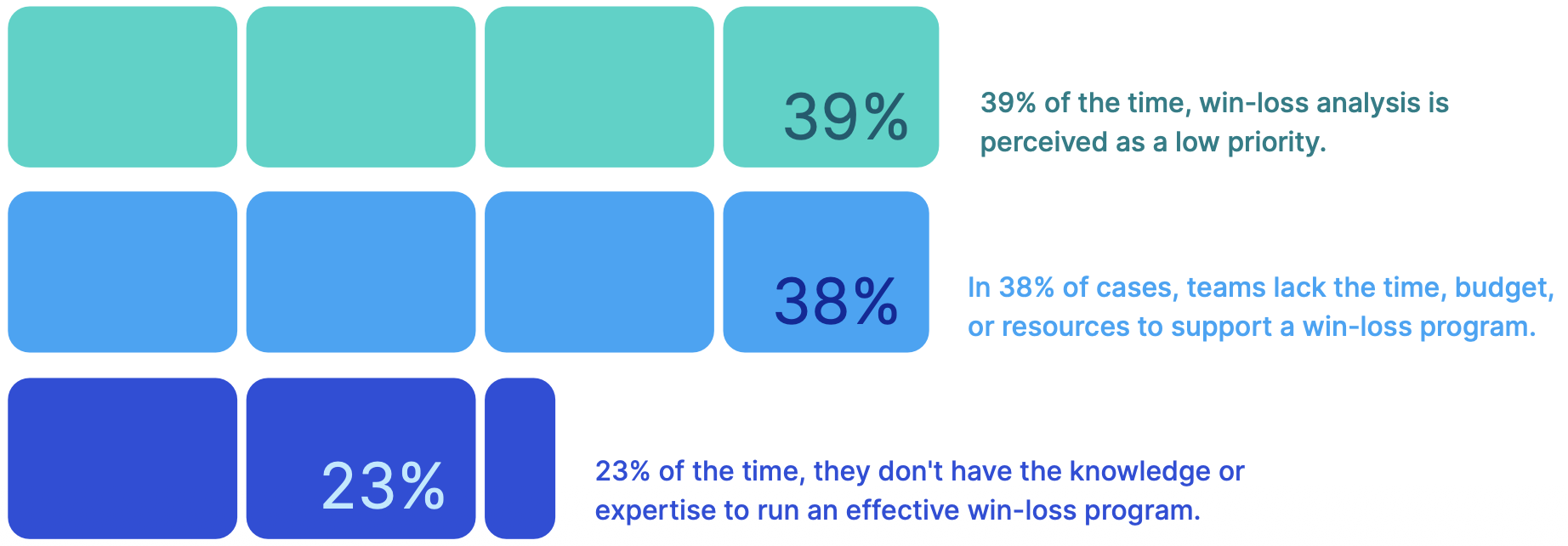
Even with growing adoption, some organizations struggle to launch or maintain a win-loss program. The main reasons include low perceived priority; lack of time, budget, or resources; and lack of knowledge or expertise.
Encouragingly, these challenges—while significant—are surmountable with the right guidance and resourcing.
The first step is to make your win-loss program an org-wide priority by securing the support and buy-in of the executive team and other key functional leaders. Once they see the value of win-loss insights, your program will be on its way to continued success.
Another effective way to overcome these barriers is to start small. Choose a focused segment—like a specific product, region, or buyer type—and run a few targeted interviews. This lets you validate the value of win-loss insights, refine your approach, and build a strong internal use case before scaling.
A trusted third-party partner can also help you fast-track results, lighten the internal load, and build momentum as your program scales.
"Clozd’s team has been instrumental in helping me keep the ball rolling, because sometimes getting these big projects off the ground and set up properly can be a really heavy lift—and I can see how some people struggle. But with Clozd it was really easy.”
Ellen Knowles Sr. Product Marketing Manager, TrellaHealth
Read the Trella Health case studyWhy organizations choose NOT to run a win-loss program
The Third-Party AdvantagePartnering with a third-party win-loss provider leads to better outcomes for your business
Running a best-in-class win-loss program can be complex and resource-intensive—but also extremely valuable.
And what’s the best way to get outstanding results? According to our survey, it’s by partnering with an experienced third-party win-loss provider.
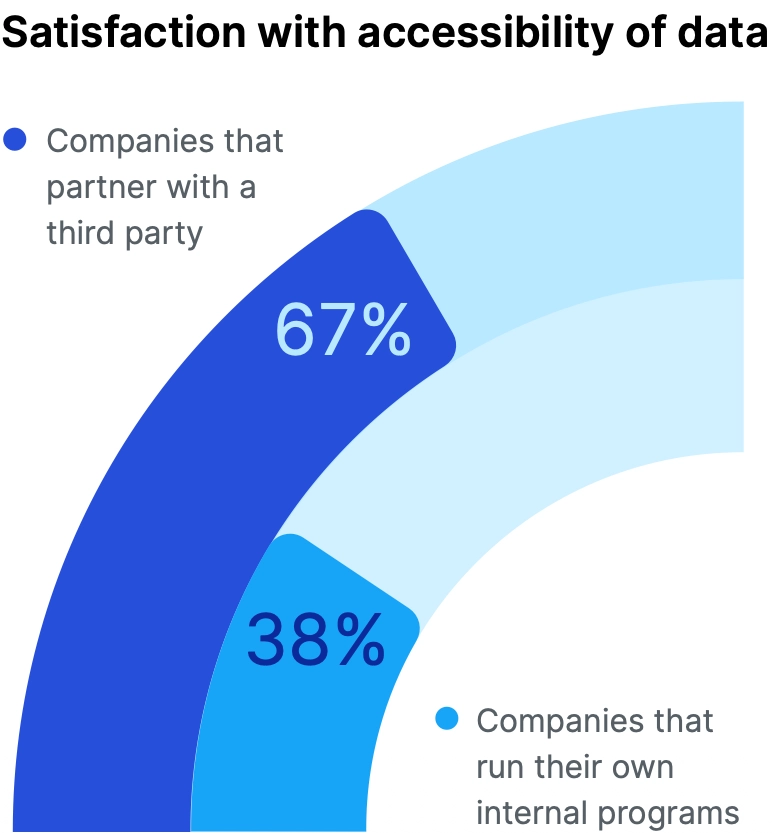
Based on the survey results, 44% of companies contract with third-party vendors to operate their win-loss programs—up 22% from our last report. Most importantly, those companies are over twice as likely to be satisfied with the quality and depth of their feedback than companies who run their own programs. They’re also almost twice as likely to be satisfied with the accessibility of their win-loss data.
Internal win-loss programs often require a heavy lift. The result is a lower level of satisfaction—only 34% of companies report that they’re satisfied with their feedback, and only 38% are satisfied with the accessibility of their data.
For those companies who run their own internal programs, the natural next step is to look for a third-party solution.
When you partner with Clozd, a dedicated team of MBA-level experts will run your program from start to finish. Combining their talents with Clozd’s technology makes it easier than ever to drive revenue and increase retention.
"Clozd has been a great partner in our win-loss journey. They were flexible in developing a methodology that worked for our needs. They feel like an extension of our team.”
Alissa Lydon Product Marketing Manager, SauceLabs
Learn more about our programs

WIN-LOSS BEST PRACTICESWhat do the best win-loss programs do differently than the rest?
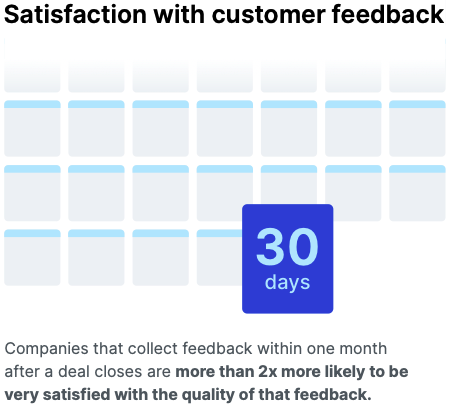
They deliver insights quickly
Win-loss programs are more successful—and capture more powerful insights—when they’re able to collect feedback faster.
We analyzed thousands of deals and found that the best time to collect feedback is within the first month after a deal closes.

They share insights broadly
Win-loss interviews provide a clear picture of how your customers are doing throughout their entire lifecycle—from your prospects and new accounts to established and recently churned customers.
The data captured from these interviews should be used throughout your organization.
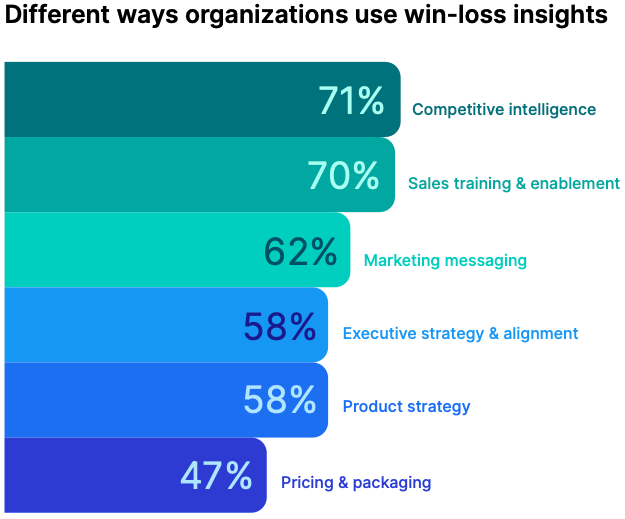
In fact, 75% of respondents said they use win-loss insights for at least three additional use cases beyond the original interview.

REVENUE INTELLIGENCEYour win-loss analysis program complements and enhances revenue intelligence tools
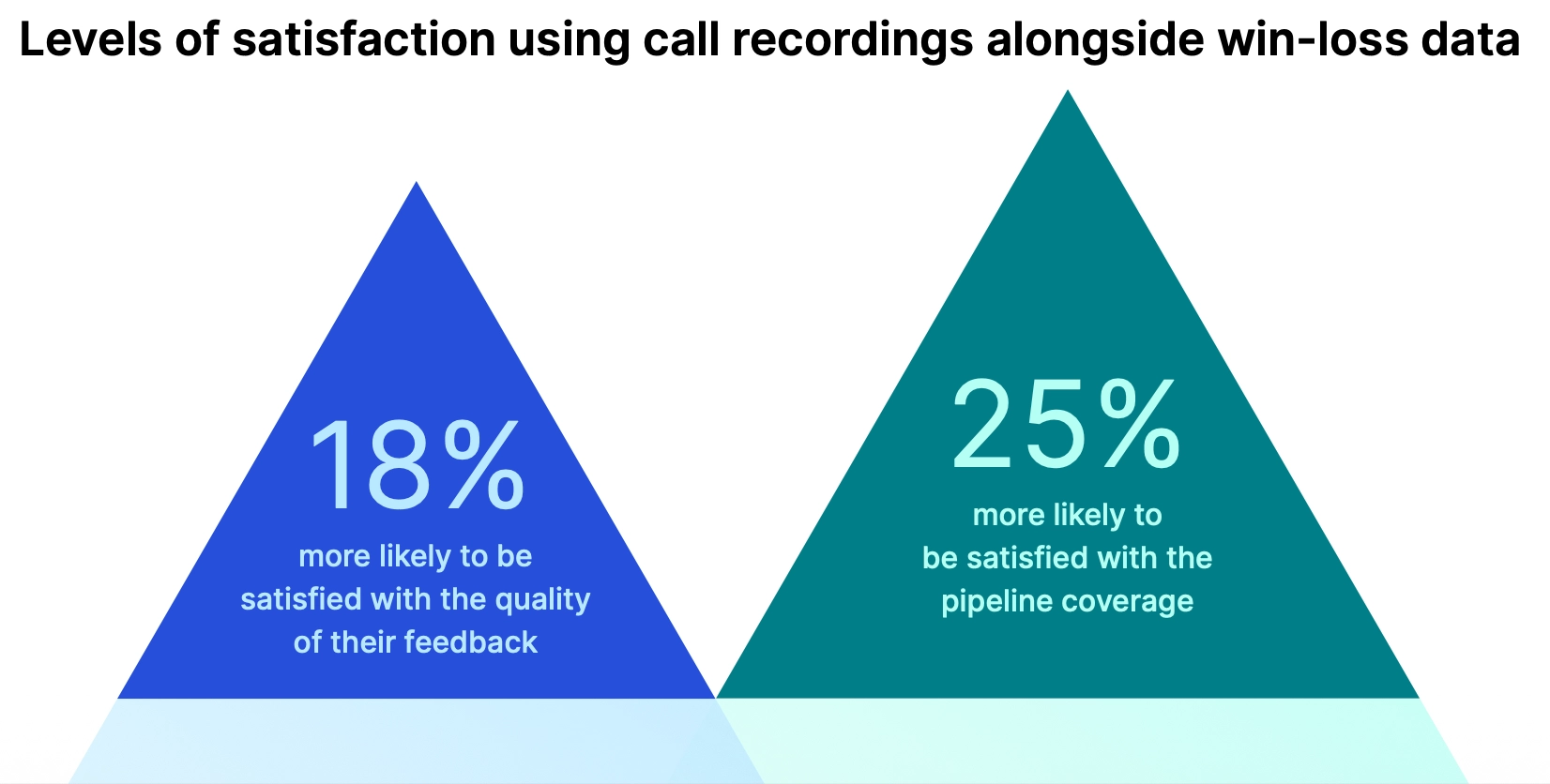
Building a customer-centric culture is critical—and often requires several different lenses to get an accurate view of what your customers are experiencing. This is why more and more companies are utilizing win-loss analysis tools (like Clozd) alongside customer interaction data from companies like Gong, Chorus (by ZoomInfo), Clari, and Salesloft.
When used together, these complementary platforms provide a more holistic view of the sales process and make it easy for companies to gather, analyze, and share key customer insights throughout their organizations.
Our survey found that people who use call recordings alongside their win-loss interviews are more satisfied with the quality of the insights and pipeline coverage.
“I’ve recently had to onboard two reps on my team, and I basically have them live in Gong and in Clozd. That way they can watch the call where we closed the deal, and then they can go into Clozd and hear it from the customer’s perspective. I didn’t even realize when we started with Clozd how helpful it would be during onboarding.”
—Connor Armstrong, Director of Sales at Trella Health
"We're able to be very surgical in how we dive into our win-loss interviews. It's now become a part of how we operate and do business. When we get to some of these decision points as a company, we're no longer flying blind. We feel like we have a better data set—a more comprehensive data set—to look at.”
Shane Evans CRO, Gong

COMPETITIVE INTELLIGENCEWin-loss insights should be a foundational part ofyour CI program
The quest for customer acquisition and retention is more demanding than ever. Companies are constantly striving to outpace their competitors, align with their customers’ needs, and drive revenue growth.
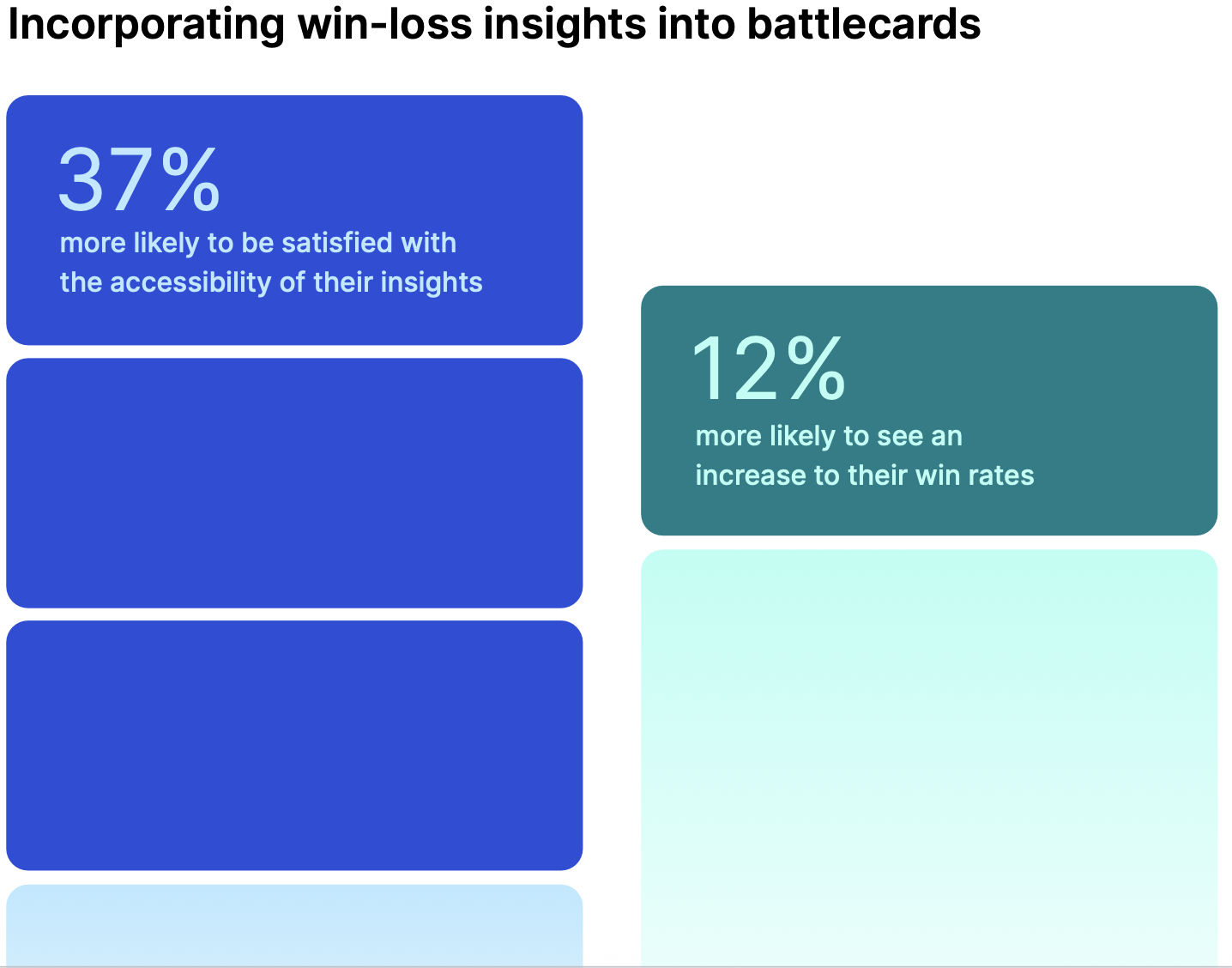
Win-loss analysis provides transformative insights—directly from your customers—that propel your company toward sustained success. These insights can also serve as a critical part of your competitive intelligence (CI) program.
We found that companies that incorporated win-loss insights into their battlecards were 37% more likely to be satisfied with the accessibility of their insights.
"To really get a full picture of your competitors—where they're attacking you and how you can best respond—you’ve got to tap signals from buyers, sellers, and deals to complete the picture. That’s why we integrate and partner with Clozd, Gong, Slack, and more. A lot of times, those are the most actionable pieces."
Jonah Lopin CEO, Crayon
How much do you REALLY trust your CRM data?
We analyzed the CRM data of thousands of deals and compared it to what buyers actually said. The results were shocking. Click below to learn more about our key findings.
Read our report on CRM data Hygiene

AI-POWERED INSIGHTSThe future of win-loss analysis is tied to AI
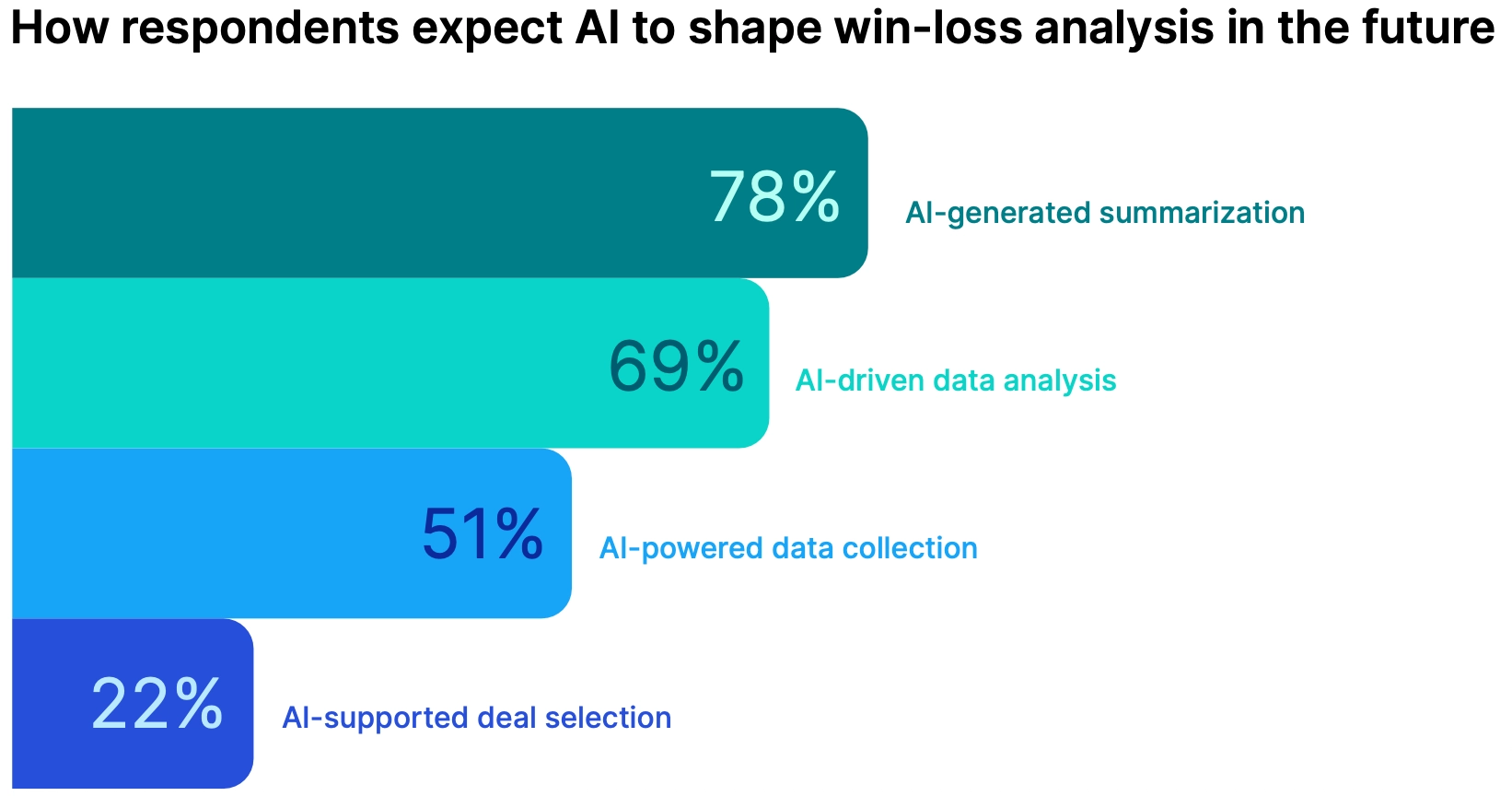
Artificial intelligence (AI) is rapidly reshaping how companies capture, interpret, and act on customer feedback—and win-loss analysis is no exception.
The expectation is that AI will help gather rich customer feedback at scale—and then instantly analyze the data and deliver powerful insights.
And Clozd is at the forefront of this evolution.
Thanks to our AI-powered platform and tools like Ask Clozd—a custom, AI-driven search tool that effortlessly analyzes your win-loss data and delivers personalized insights—it’s easier than ever for organizations to harness the power of deep customer feedback.
We expect to see continued innovation, particularly as it relates to AI, in the win-loss space.
That’s right, we’re talking about you personally.
One example is Jason Klein, who took ownership of Alteryx’s win-loss program and created a robust voice-of-customer feedback loop that influenced many different parts of their organization.
It also gave his career a significant boost.
I’ve been on a good career trajectory here at Alteryx,” he said. “I don’t think I’d be here as quickly without Clozd. Me being ‘the win-loss guy’ has accelerated my career growth.”
Jason Klein Director of Solutions Marketing, Alteryx
Read our Alteryx case study
ConclusionKey takeaways from this report
The 2025 State of Win-Loss Analysis Report makes one thing clear:
Win-loss analysis is a critical input for companies that want to compete, grow, and win consistently.
The companies seeing the greatest impact are those that treat win-loss as a long-term, strategic initiative—supported by cross-functional teams, executed with consistency, and powered by third-party expertise.
“The entire leadership team is using the data we're getting from win-loss analysis—not just for sales or product, but also for CSMs, for our engineering team, for service and support, for our churn analysis.”
—Deanna Ballew, SVP of Product at Acquia
If that’s your direction, we recommend using our Definitive Guide to building a world class Win-Loss Program as your compass. It’s a step-by-step roadmap to establishing a valuable win-loss program that will unlock the power of direct customer feedback.
Read our Definitive Guide on building a Win-Loss Program